Top 5 Study Techniques: Active Recall to Teaching
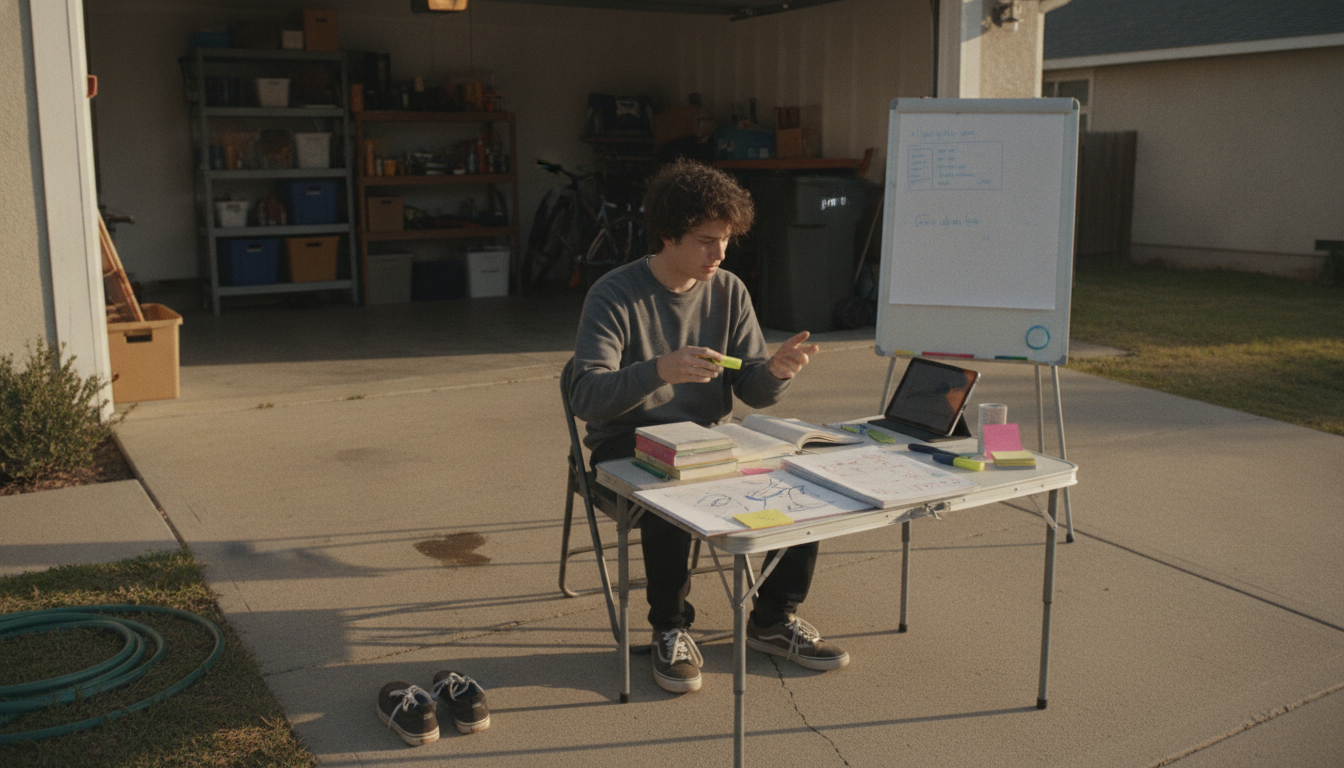
What are the top 5 study techniques?
The best study techniques are the ones that make your learning active, structured, and easy to revisit. These five methods are widely used because they improve understanding and recall without relying on last-minute cramming.
1) Active recall
Instead of rereading notes, force your brain to retrieve information: close the book and answer questions from memory, use flashcards, or write what you remember on a blank page. This strengthens long-term retention and reveals what you still don’t know.
2) Spaced repetition
Review material on a schedule that expands over time (for example: same day, 2 days later, 1 week later). Short, repeated sessions beat marathon study blocks because they refresh memory right before you would normally forget.
3) Interleaving
Mix related topics or problem types in one session (like alternating algebra and geometry problems). Switching forces deeper thinking, reduces “autopilot” studying, and improves the ability to choose the right method on tests.
4) Focused sessions with planned breaks
Use a simple cycle such as 25–50 minutes of focused work followed by a 5–10 minute break. Clear start/stop points reduce procrastination, protect attention, and make it easier to sustain daily study routines.
5) Teaching and self-explaining
Explain concepts out loud as if teaching someone else, or write a brief step-by-step explanation of how and why something works. If you can’t explain it clearly, that’s a signal to revisit the source material and fill the gaps.
For a more complete system—combining focus routines, memory strategies, and practical study structure—see the full guide here: https://selectiveitemmart.shop/guide-study-skills-system-focus-routines-memory-techniques/.
For Top 5 Study Techniques: Active Recall to Teaching, the best answer depends on fit, material, care instructions, and how the product will be used day to day.
FAQ
How do I make a study schedule I can actually stick to?
Pick consistent time blocks, assign one clear task per session, and keep sessions short enough to finish. Track only what you completed, then adjust the next day based on reality—not ideal plans.












Leave a comment